1000+ 5 star reviews
Find the hair loss treatment to meet your needs at the UK's leading clinic
World class
surgical techniques
Free private online
consultations
Finance
available
Unparalleled aftercare &
support






Hair Transplants Performed
Transplanted Hair Follicles
5★ Star Reviews
Different UK Locations
Expert Surgeon Led Care
Everyone deserves beautiful hair. No one wants to lose their hair. Becoming bald can have a drastic effect on your confidence. We offer professional hair transplant Newcastle surgery for men and women to get a natural, beautiful head of hair once more.
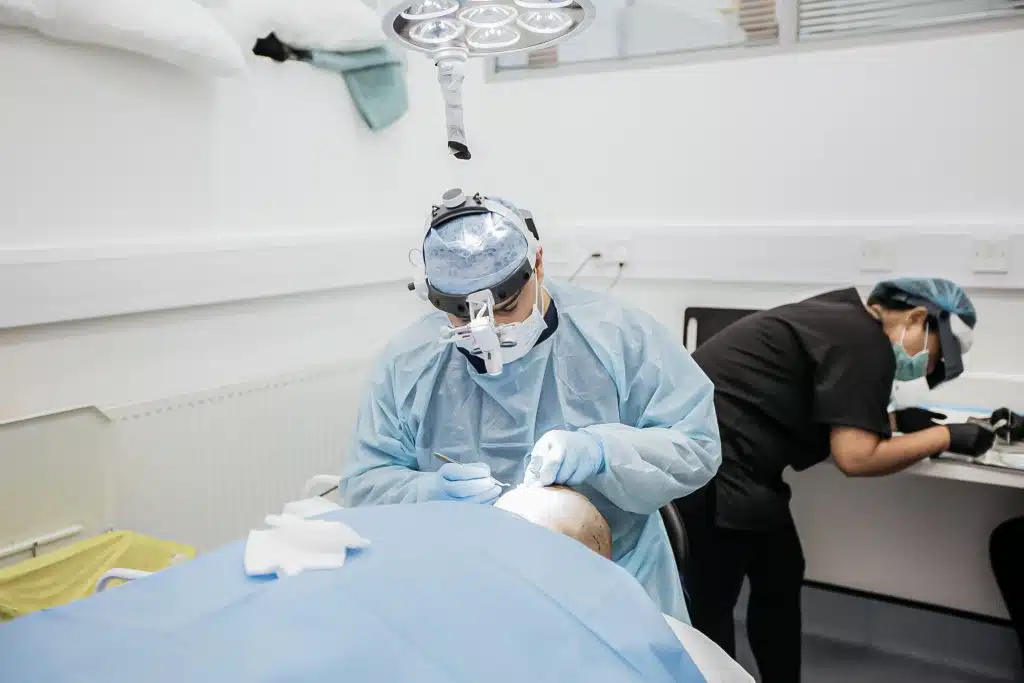
A hair transplant, also called follicular unit transportation, is a surgical procedure that requires moving hair follicles from one part of the body (donor area) to another area (the recipient area), where additional hair is desired.
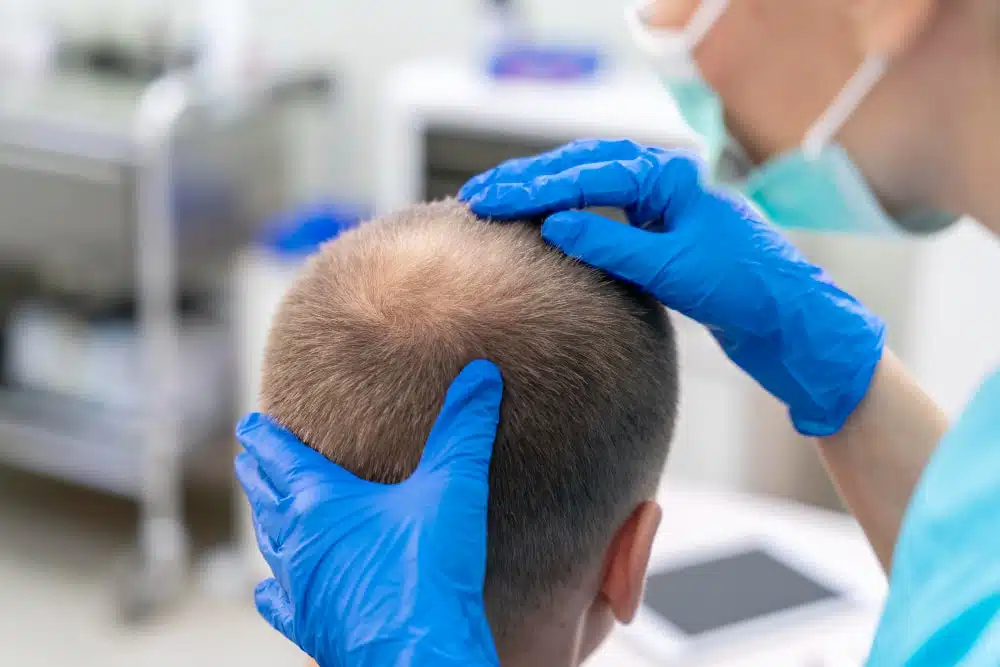
In most cases, moving scalp hair from the back or sides of the head to areas of hair loss (usually the front and top of the scalp) results in androgenetic (pattern) alopecia.
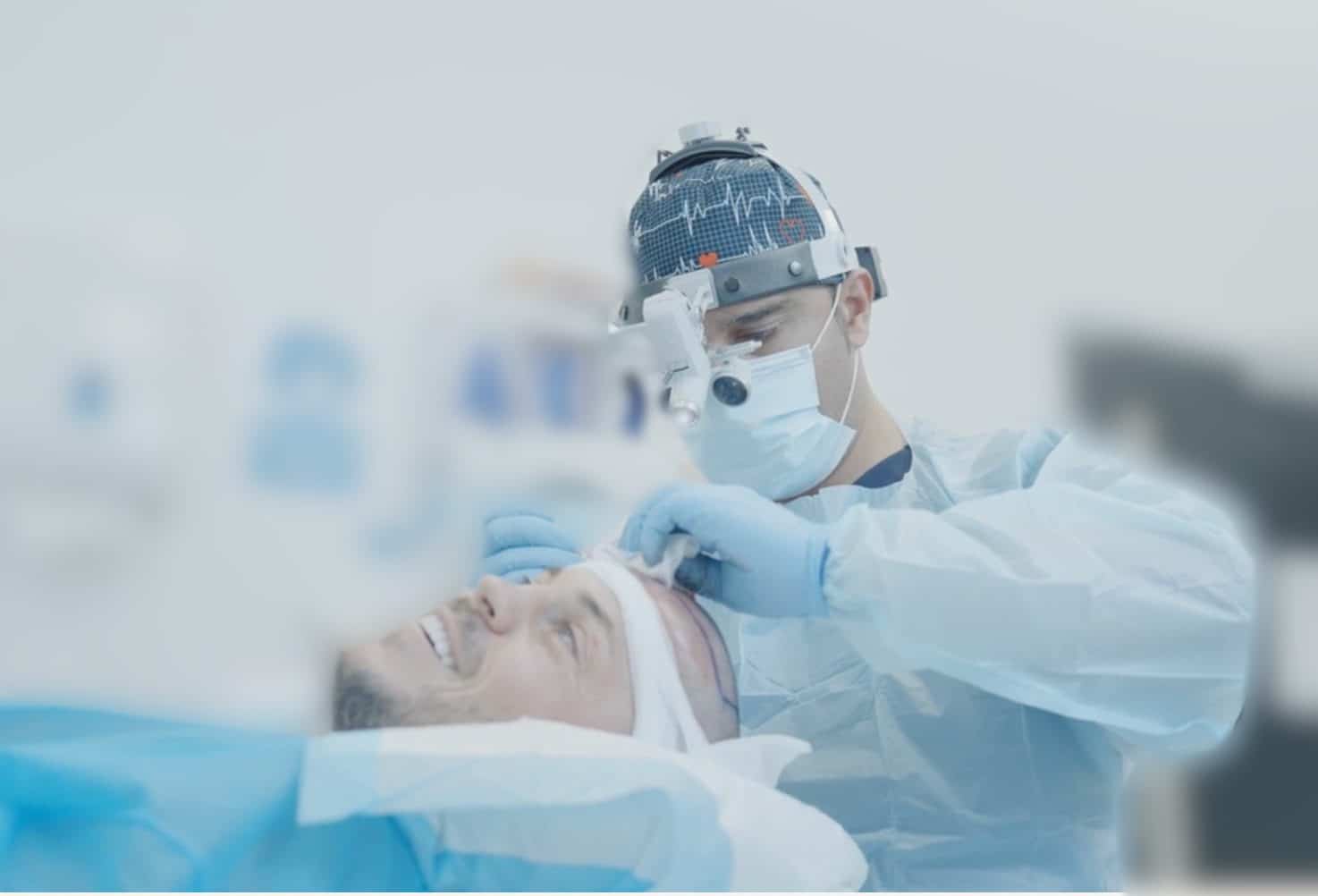
A hair transplant is performed under local anesthesia, and the procedure involves removing hair follicles from the scalp. This may be done by removing a strip of skin, after which the hair is then separated under a microscope, or by punching out individual hair follicle groupings one by one (follicular unit extraction or FUE).
Hair transplantation usually involves transplanting thousands of individual follicular groups. The process can take up to a whole day and is very labour-intensive.
Expert Surgeon Led Care
Patients who have hereditary hair loss (known as androgenic alopecia or male/female pattern baldness), are suitable candidates for this procedure. The only requirement is that they must have enough donor hair to be transplanted to make a difference in their appearance.
Other types of hair loss can also be treated by hair transplantation, including traction alopecia (caused by tight braids or other restrictive hairstyles) or hair loss due to burn damage or scarring.
It’s also possible for hair from the scalp to be transplanted to the eyebrows, eyelashes, moustaches, and beards when an injury or skin conditions have caused hair loss in these areas.
restore your confidence
Patients who have hair loss caused by conditions that are ongoing or recurrent don’t make good candidates for this procedure. The following is a list of conditions that may not make a good candidate for hair transplantation:
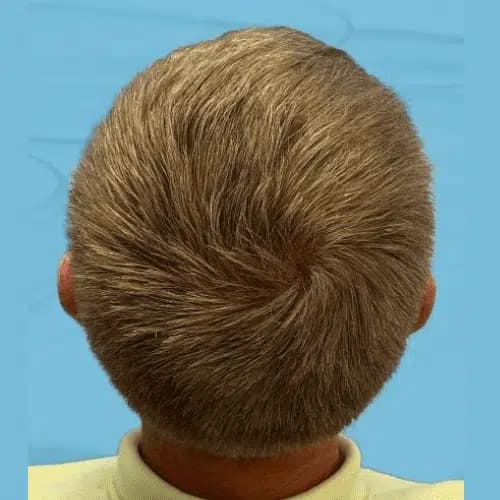
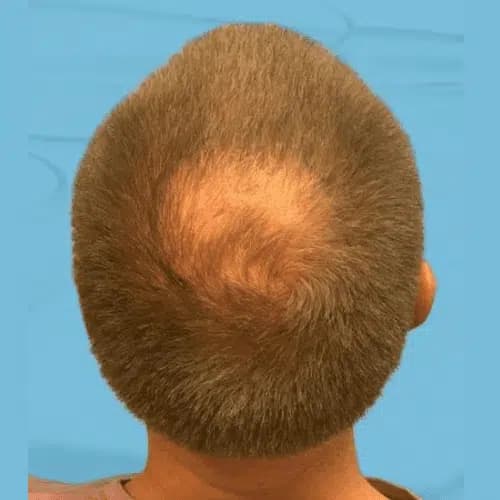
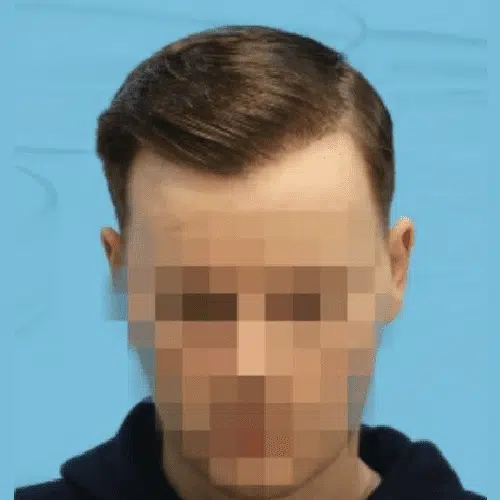
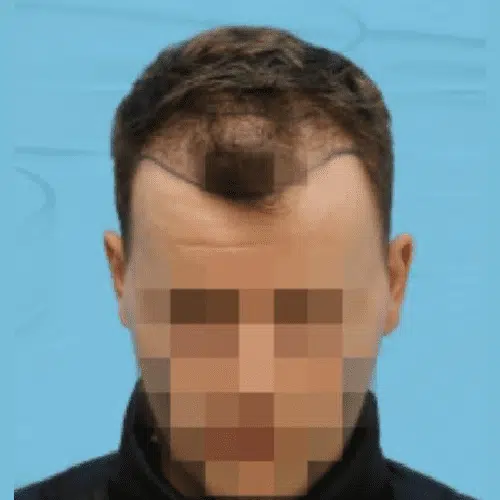
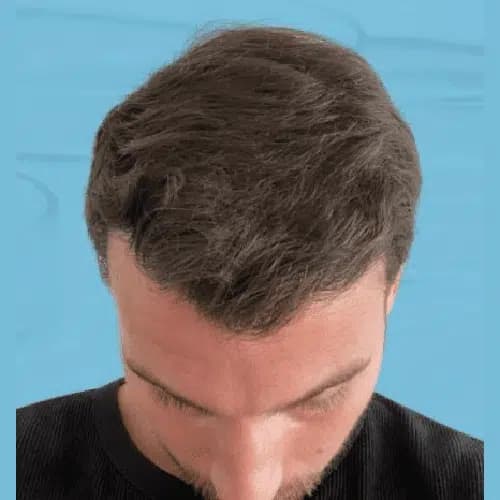
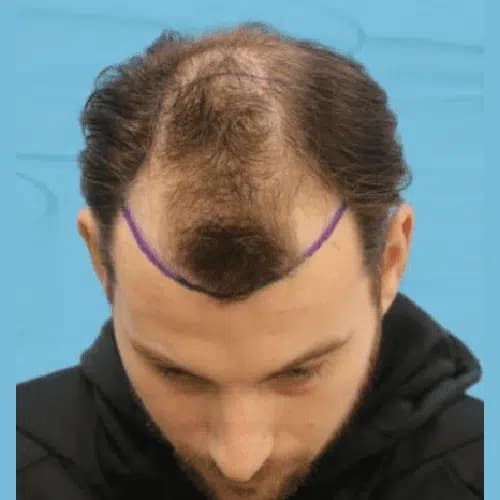
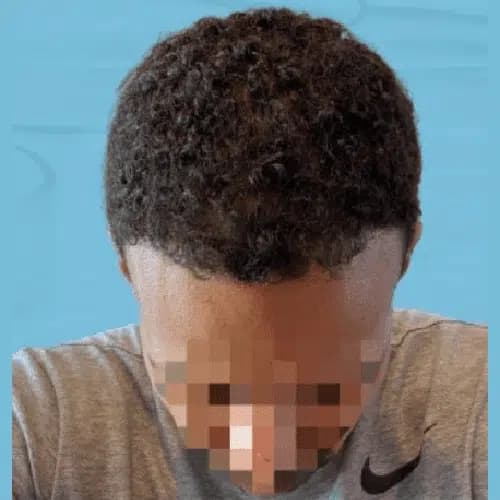
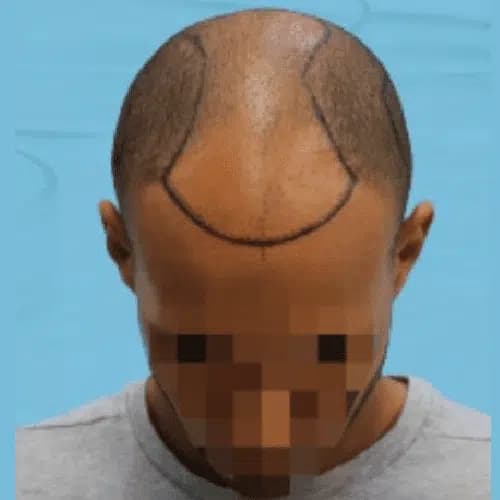
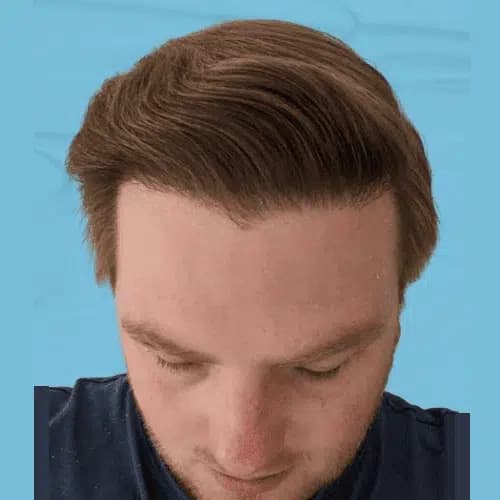
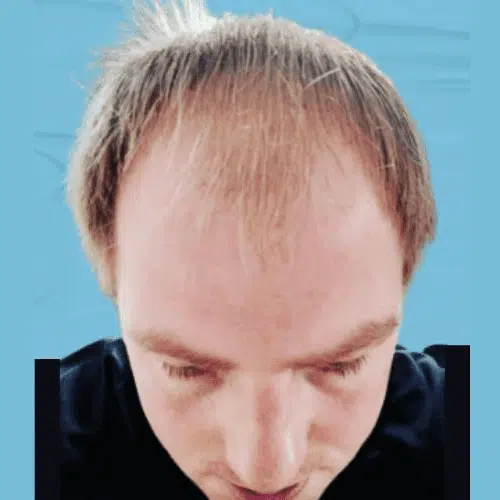
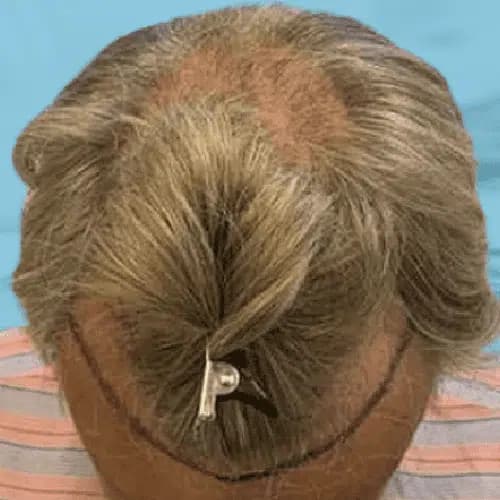
award winning hair transplants in Harrogate
No, surgical hair restoration is categorised as a cosmetic treatment, so it’s not usually covered under the NHS. However, they do sometimes make exceptions for cases that involve scalp or facial injury and burns.
FUE is one of the main transplant techniques used to treat hair loss. This procedure is the least surgically invasive. For this surgery, strong, healthy hair is removed from a donor zone (usually the back of the head). The hairs are removed from the donor zone in small, natural groupings called follicular units; each unit may consist of one to four hairs. These units are about 0.75 to 1mm wide and are removed carefully using a surgical tool called a micropunch.
The follicles are checked and cleaned under a microscope to ensure the follicle transplant will be successful. The follicular units are then stored in a special holding solution. Next, the surgeon creates recipient sites in the areas of hair loss.
The entire process can be completed in eight hours; however, more extensive transplants may require two sessions.
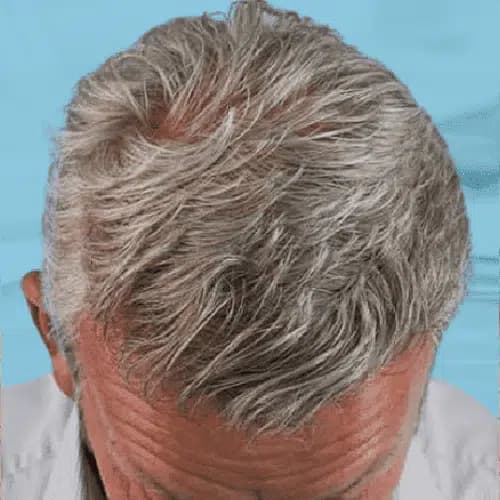
The hair falls out of transplanted follicles within about 30 days after surgery. After this, natural regrowth occurs within three months, with full regrowth between 12 to 18 months after surgery.
Follicular Unit Transplant (FUT) is also referred to as the strip technique. This procedure requires a greater amount of surgical expertise. During this procedure, a small strip of skin is removed from the back or sides of the head, which contains donor hair. This means that all donor hairs are removed at the same time.
The hairs are then removed from the strip in follicular units, cleaned, and placed into the holding solution. After this, the surgeon creates recipient sites in areas of hair loss. They implant the follicular units in the same way as the FUE procedure.
Sutures are required in the donor area and can be removed after 10-14 days. Like other surgical procedures, exercise or vigorous physical activity is discouraged for 30 days after the transplant.
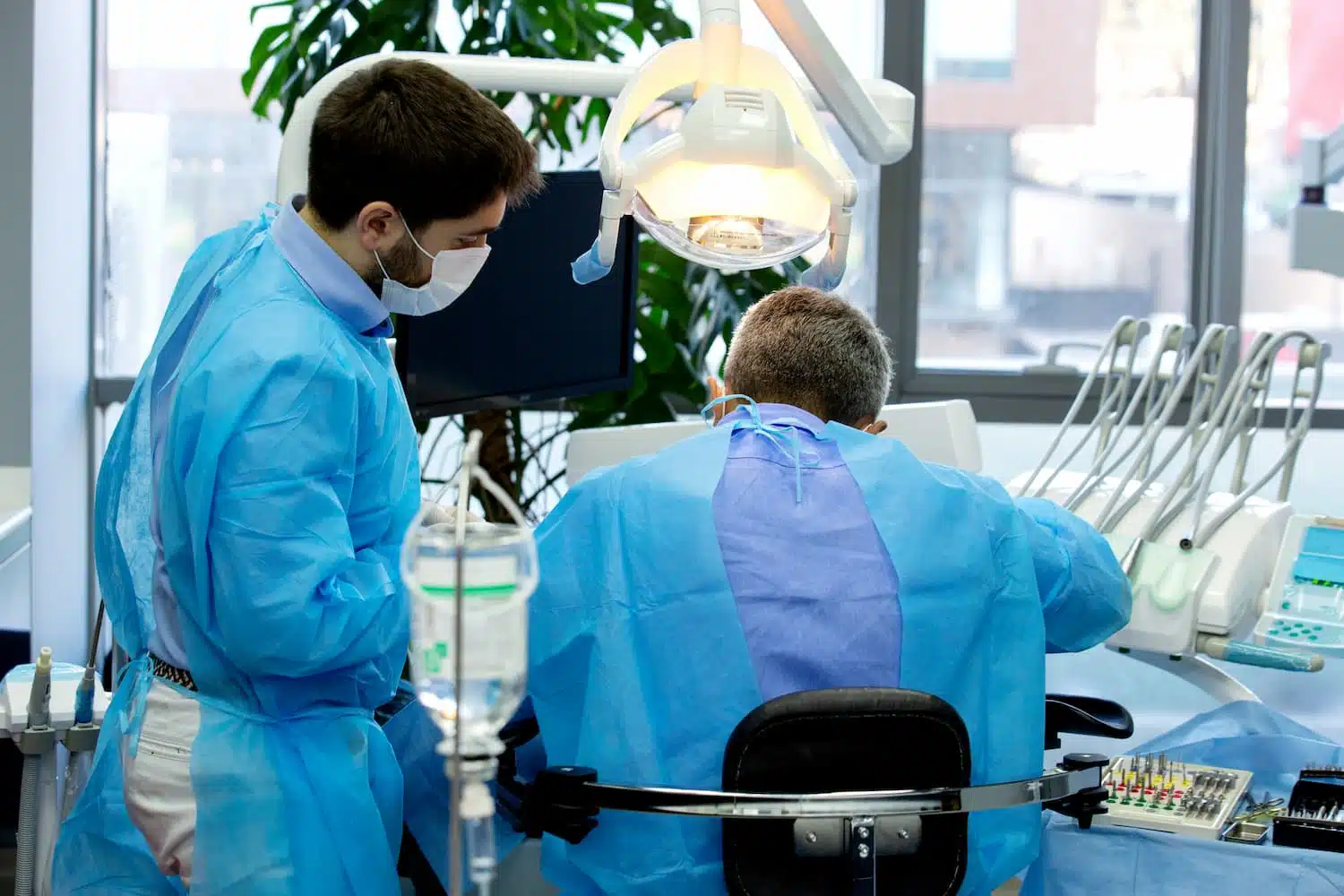
Body Hair Follicle Unit Excision, also called BHFUE, is an advanced level of hair transplant used to expand the donor area. Body hair removal is demanding to perform as areas of the body are pliable, resulting in lax skin making hair removal challenging.
Modern transplant procedures also make it possible to transplant hair to the beard, eyelashes, and eyebrow areas. We use either the FUE or FUT procedures. These surgeries can take between three to eight hours, depending on the size of the transplant.
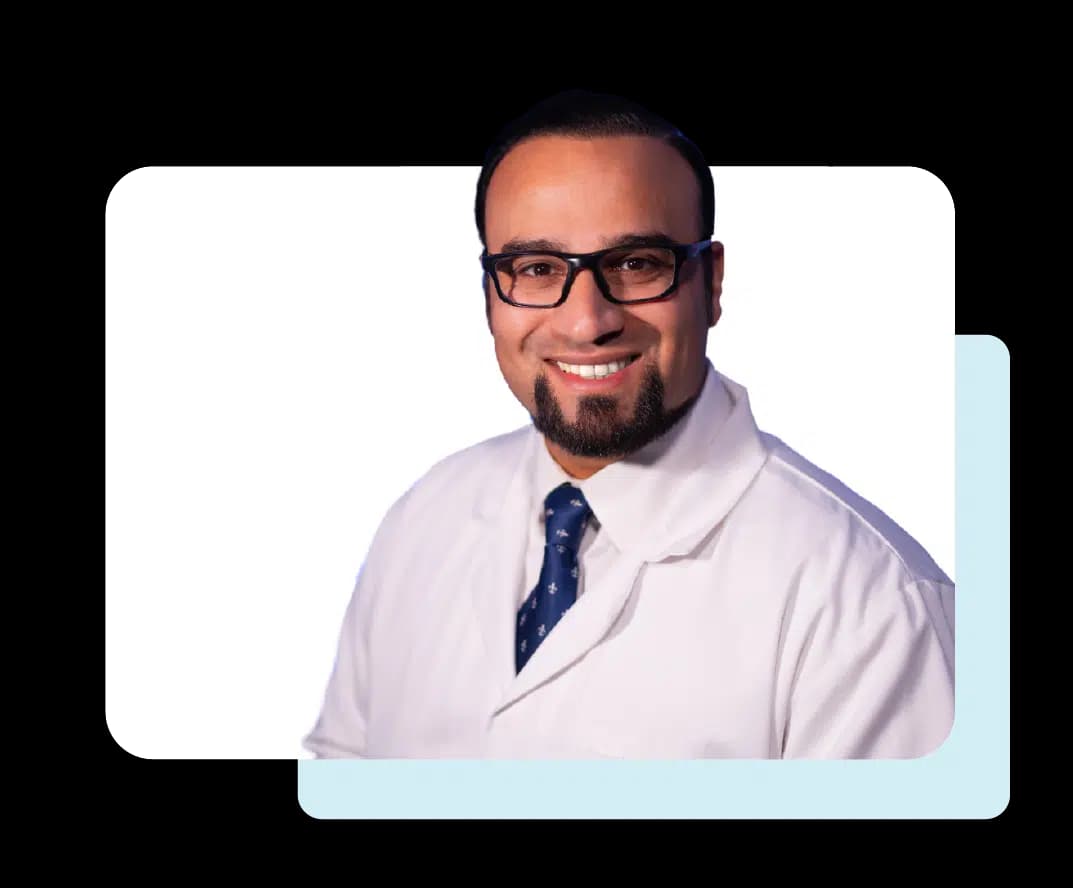
The Hair Dr is a surgeon-led hair transplant clinic that’s led by Dr. Ashad. Dr. Ashad has full professional membership in the following organisations:
Dr. Ashad is a facial plastic and hair transplant surgeon. He specialises in hair transplants, hair restoration surgery, and forehead reduction surgery. He carefully plans the process for the hair transplant and carefully balances his patient’s expectations against what is technically possible.
He has performed over 2,000 successful operations for the NHS and has significant experience in donor hair harvesting and transplantation techniques.
The doctor aims to achieve natural framing of the face and complements the individual’s bone structure immediately and in the long term.
If you’d like to learn more about our hair transplant services, contact us today! We’re happy to answer any questions you may have about our procedures and services. Let us know how we can help you attain natural-looking hair once again!
Join the many satisfied clients who have transformed their lives with our expert hair transplant services.
Free, no obligation and private advice