1000+ 5 star reviews
Find the hair loss treatment to meet your needs at the UK's leading clinic
World class
surgical techniques
Free private online
consultations
Finance
available
Unparalleled aftercare &
support






Hair Transplants Performed
Transplanted Hair Follicles
5★ Star Reviews
Different UK Locations
Are you suffering from hair loss? If so, you’ve come to the right place. At Hair Dr, we understand that hair loss can cause a tremendous psychological strain to a person. Losing your hair can make you feel stressed, anxious, and depressed.
While some hair loss is normal, we understand that your hair is a significant part of your identity. Hair loss issues can cause social anxiety and depression. It can also make you feel older and not feel like yourself. However, at Hair Dr, we offer treatments, such as hair transplant, that can make a difference to your hair loss and your emotional and psychological wellbeing.
restore your confidence
There are different reasons for hair loss, which vary from person to person. Here are some of the most common causes of hair loss in humans:
This is a genetic condition that’s also called male pattern baldness (MPB) and female pattern baldness (FPB) in women.
Traction AlopeciaThis is caused by pressure on the hair shaft and follicle; the pressure may be caused by overly tight, tied-back hairstyles such as braids.
Alopecia AreataThis is an autoimmune disease that’s caused by the immune system attacking hair follicles, causing the hair to fall out.
Other causes of hair loss can include:
Many of these causes of hair loss are usually temporary, and addressing the root causes of these issues may promote hair regrowth.
We offer different hair transplants and treatments that can also help promote hair regrowth. These are beneficial treatments; however, we often receive many questions about hair transplants. So, we’ve put together some of the most common questions and the answers to help you learn more about these procedures.
restore your confidence
Our hair transplants don’t look like hair transplants
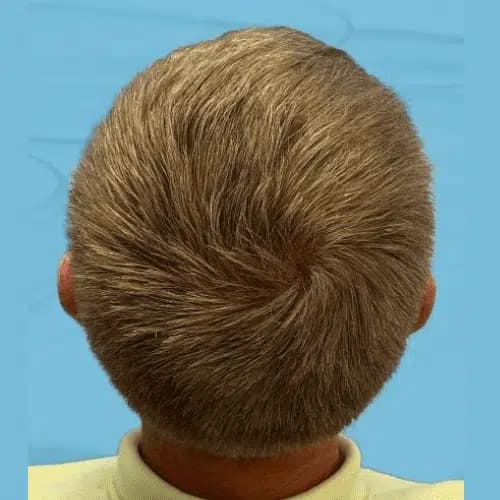
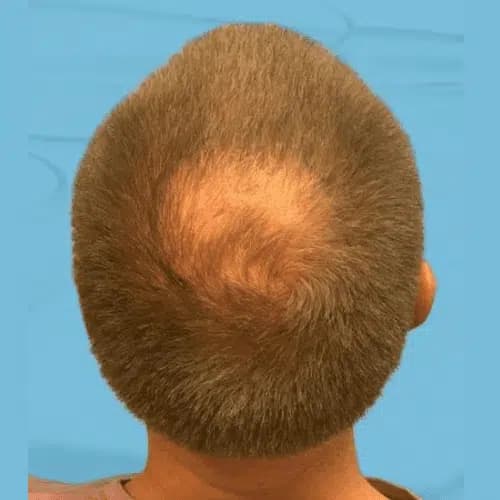
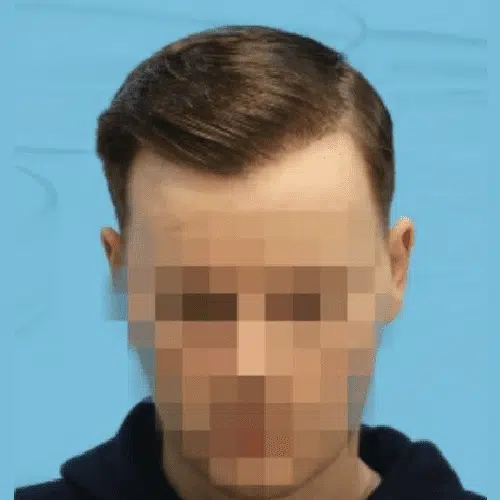
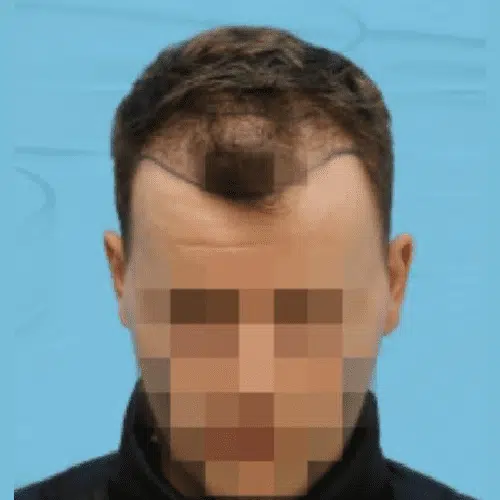
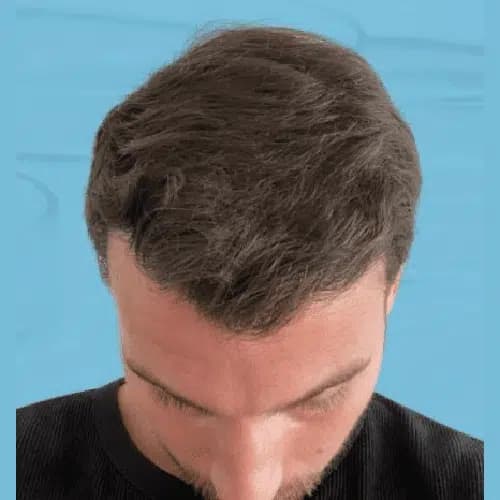
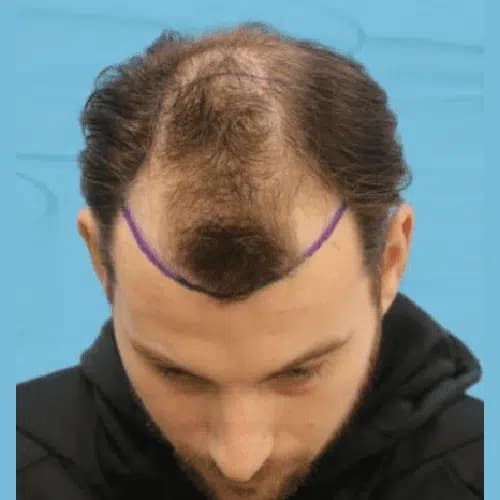
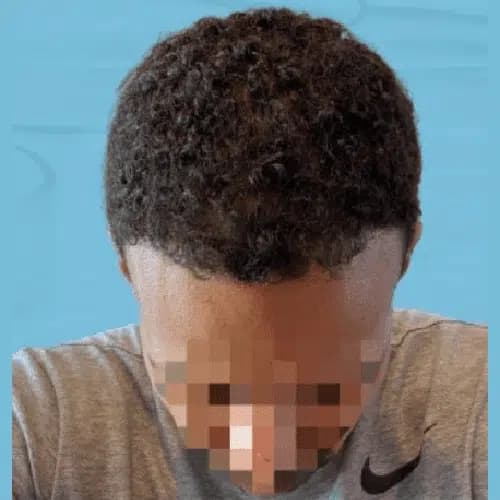
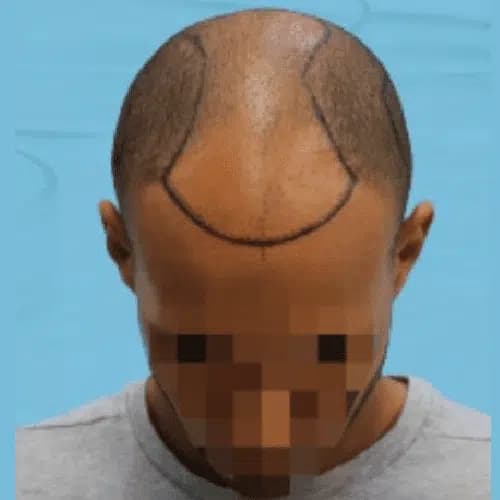
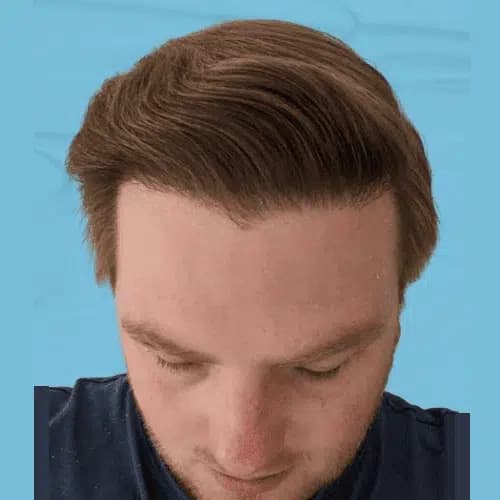
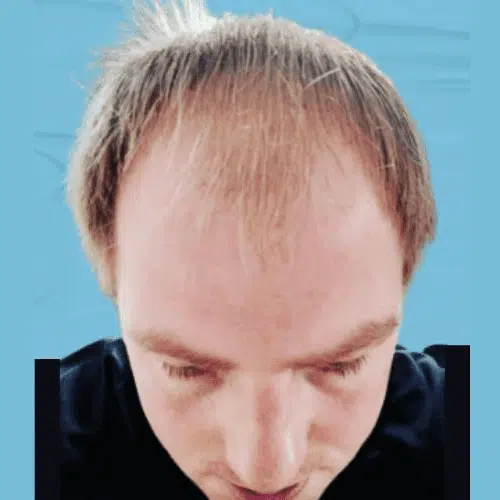
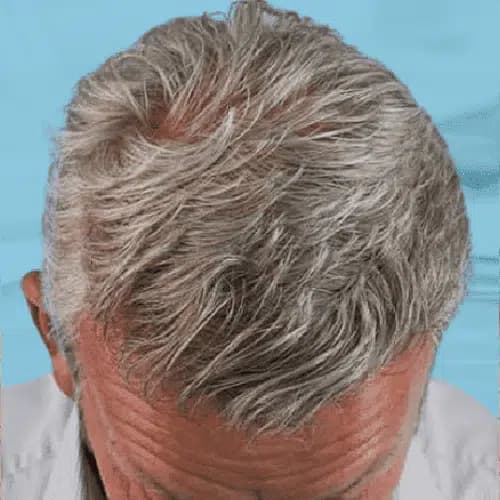
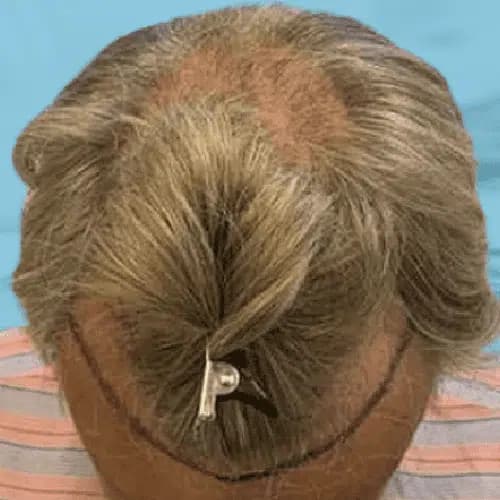
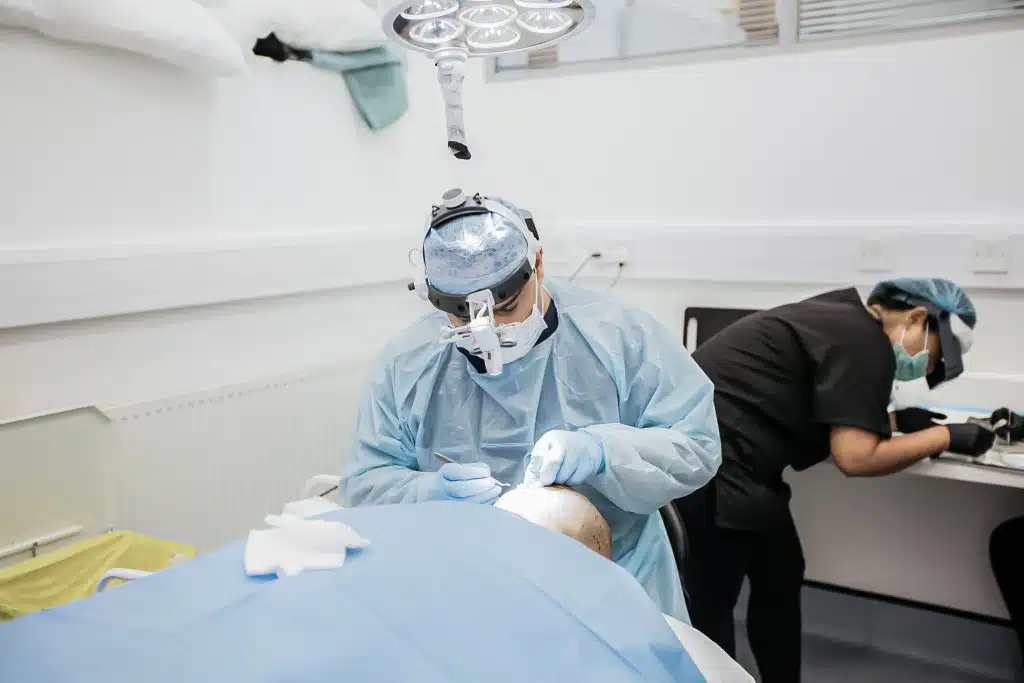
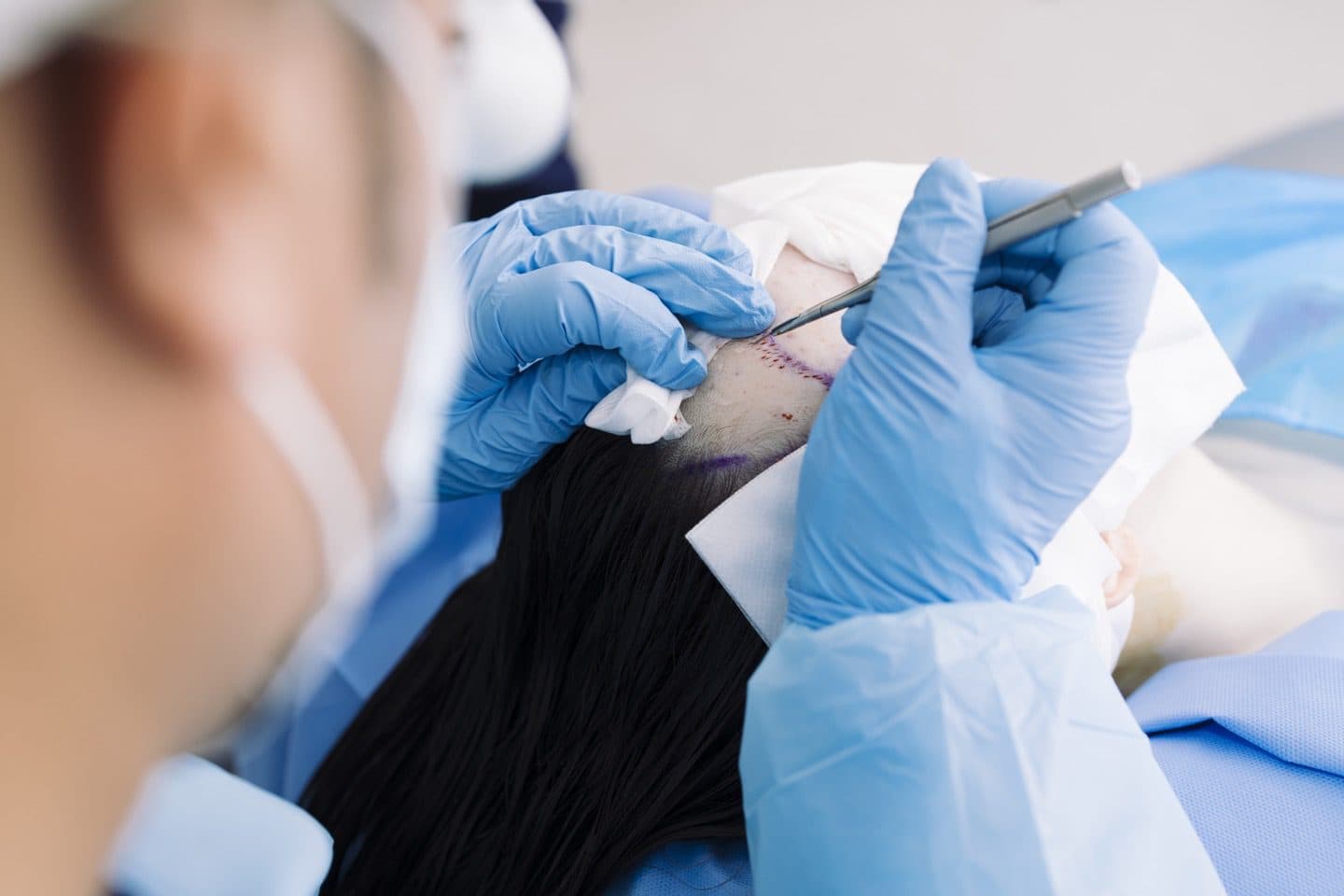
A hair transplant is a surgical procedure where hair follicles are moved from one part of the body (donor) to another area (recipient) where additional hair is wanted.
Hair transplants are done under local anaesthesia. Once the anaesthesia is working, the doctor then removes hair follicles from the scalp by removing a strip of skin and hair. These may be dissected under a microscope or by punching out individual hair follicle groupings one at a time (FUE).
Hair transplants usually involves transplanting thousands of individual follicle groupings. This is a labour-intensive procedure that may take an entire day.
restore your confidence
We offer the following hair transplant services:
The Follicular Unit Excision is one of the main transplant techniques we offer, and it’s the least surgically invasive. For this method, strong, healthy hair is removed from the donor zone (usually on the back of the head, where hair growth is not usually affected by hair loss).
The hairs are removed from this zone in small, natural groupings or follicular units, which consist of one to four hairs. These units are approximately 0.75 to 1mm wide and are carefully removed with a micropunch, a surgical tool used for hair transplants of this kind.
After removal, the hair follicles are checked and cleaned under magnification. After this, the follicular units are stored in a holding solution while the surgeon creates recipient sites where hair has been lost. The entire process can take up to eight hours, though more extensive transplants may require two sessions.
Body Hair Follicular Unit Excision is an advanced hair transplant method used to expand the donor area. Body hair removal is a challenging process as many areas of the body are pliable, making hair removal difficult.
Follicular Unit Transplants are also known as the “strip technique.” This method requires greater surgical expertise. A small strip of skin is removed from the back or sides of the head. These strips contain the donor hair. The reason for using a strip is that this method allows many hairs to be removed at the same time.
Next, the hairs are removed from the strip in follicular units, cleaned, and placed in the holding solution. The surgeon then creates recipient sites in areas of hair loss and implants the follicular units in the same manner as the FUE procedure (see above).
Follicular Unit Transplants are also known as the “strip technique.” This method requires greater surgical expertise. A small strip of skin is removed from the back or sides of the head. These strips contain the donor hair. The reason for using a strip is that this method allows many hairs to be removed at the same time.
Next, the hairs are removed from the strip in follicular units, cleaned, and placed in the holding solution. The surgeon then creates recipient sites in areas of hair loss and implants the follicular units in the same manner as the FUE procedure (see above).
Expert Surgeon Led Care
Those who have hair loss that’s hereditary, also known as androgenic alopecia or male/female pattern baldness) are suitable for hair transplants. However, it’s necessary to have enough donor hair to be transplanted to make a difference in a person’s appearance.
It is possible to treat other types of hair loss with a hair transplant, such as those who have traction alopecia and hair loss caused by burns or scarring.
We ensure precision, minimal downtime, and seamless results that blend perfectly with your natural hair. From your initial consultation to comprehensive aftercare, we’re with you every step of the way to restore not just your hair, but your self-esteem.
We can also take hair from the scalp to transplant to the eyebrows, eyelashes, moustaches, and beards when an injury or skin conditions have caused a loss in these areas.
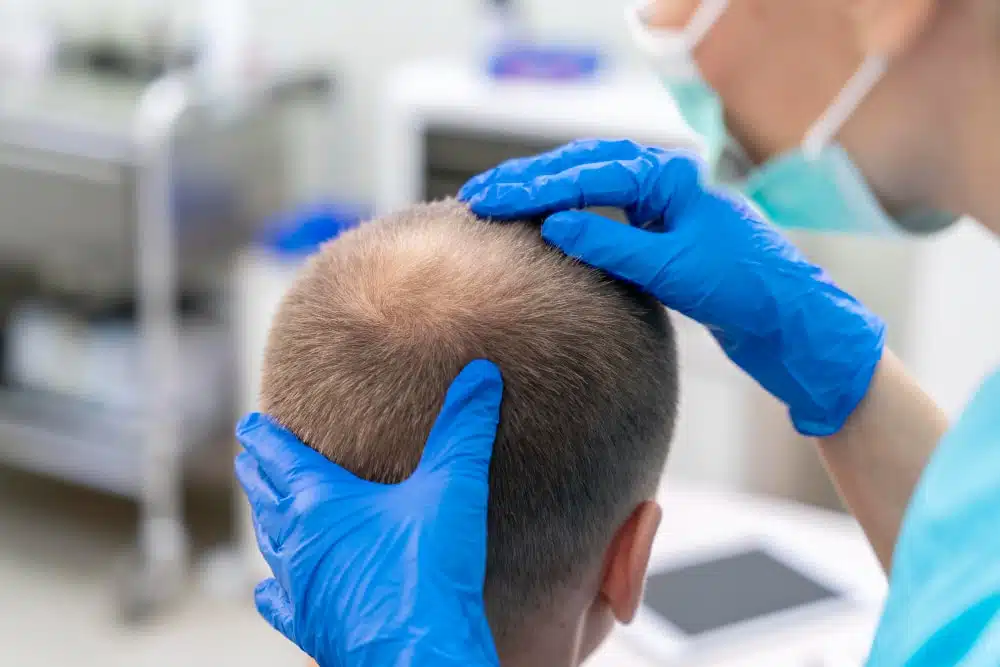

No, surgical hair restoration is categorised as a cosmetic treatment, so it’s not usually covered under the NHS. However, they do sometimes make exceptions for cases that involve scalp or facial injury and burns.
Hair Dr. Clinics are a private, independent practice that specialises in hair restoration and diagnostic services. We provide surgeon-led medical treatment to tackle both the physical and psychological symptoms of hair loss.
In addition, we seek the best possible outcome for each patient based on their personal needs and expectations. Sometimes, a transplant is not necessary. So, you can rest assured that we don’t see you as an operation.
Instead, we see you as a patient, a human being who wants us to help reclaim an essential part of yourself. We understand you place your trust in us and our hair transplant procedures. For this reason, we seek to provide you with excellent medical care and the best result possible.
In addition, we have seven locations across the UK. So, no matter what part of the country you live in, we’re accessible and ready to help you with a hair loss solution.
award winning hair transplants
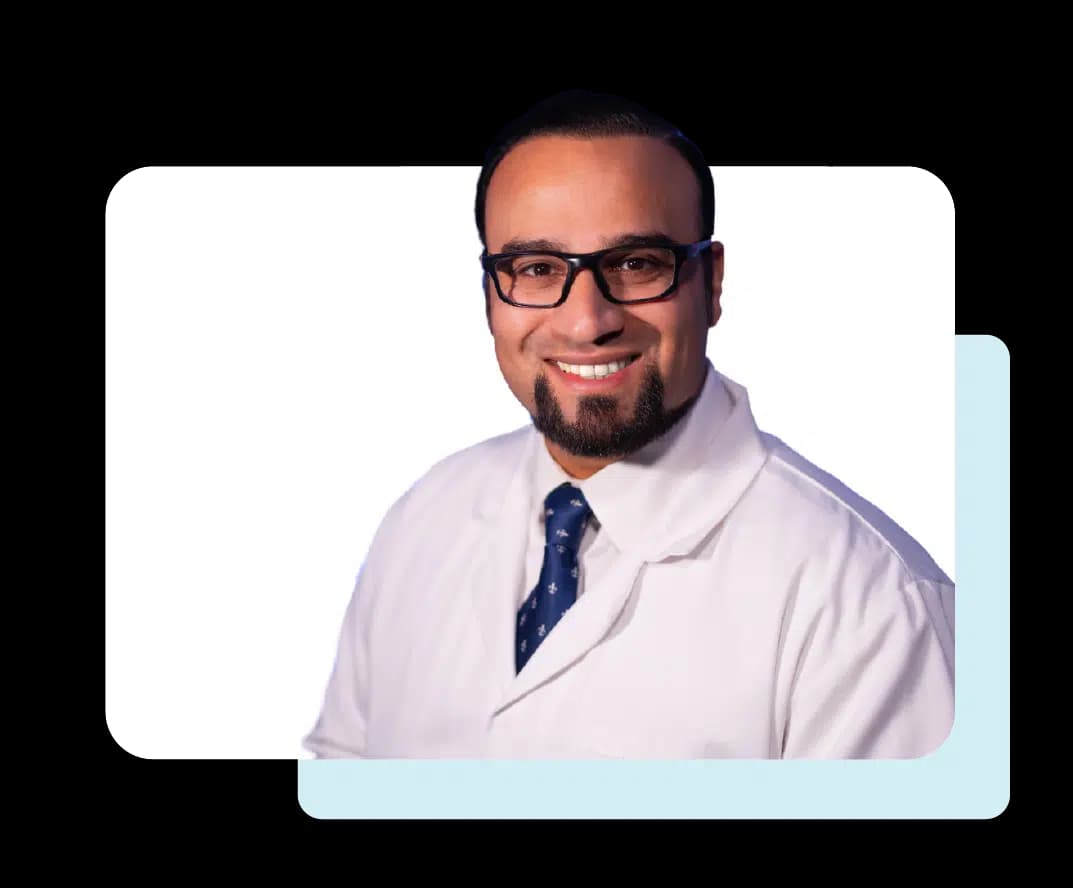
Our lead surgeon is an expert at providing modern hair transplant techniques, including FUE, FUT, and BHFUE. In addition, each of our clinicians and medical practitioners has been trained to the highest standards of patient care.
We view hair transplantation as a partnership. We work with you to help you find the right hair loss procedure for your specific needs. After our initial consultation, we conduct clinical and psychological assessments to ensure that your expectations and requirements are completely met by our treatment. And we’re always available to answer your questions.
restore your confidence
When it comes to aftercare, we make it our mission to oversee the key aspects of patient aftercare, offering support and guidance to help you achieve the best outcome possible after your treatment.
We also offer a 12-month review for all our hair transplant patients. These reviews ensure that the procedure was successful and that patient expectations have been met.
What’s more, we are ethical and expert-led. We’ve helped thousands of individuals across the UK to overcome their hair loss. We take pride in the difference we’ve made to their lives and the part we’ve played in helping each individual regain their confidence and sense of identity. We know it’s more than just about a person’s appearance.
Each of our clinics is independent, offering the highest quality hair transplant surgeries in the UK.
We put the focus on our patients and work with them to find the best solution for their physical and psychological health.
We offer excellent aftercare for our hair transplant Manchester patients. We stay with you at each step, both before and after surgery. We’ll be ready to help you as long as you need us.
Free, no obligation and private advice
The main techniques are:
Yes, alternatives include: